Food and sorbet pairing ideas for your holiday meals
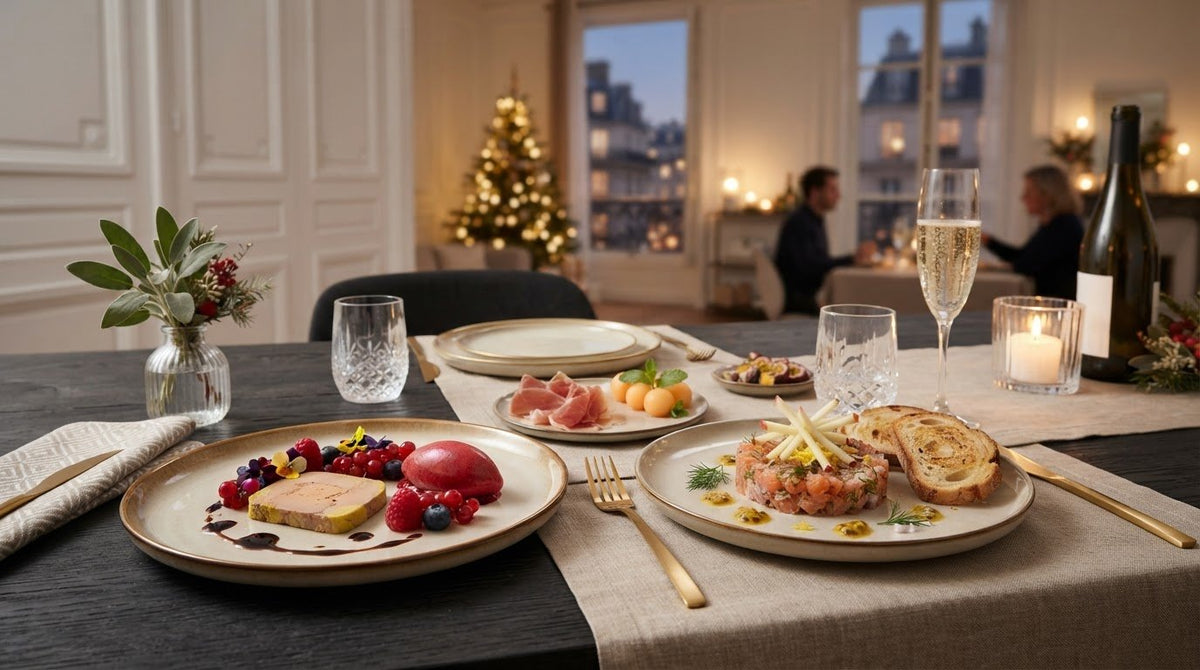
Sorbet is not limited to dessert: it can provide a vibrant contrast to foie gras, especially with red fruits, or enhance a sweet-and-savory pairing such as Serrano ham and melon. With salmon tartare, notes of apple, lemon, or passion fruit open up other possibilities. To create a successful pairing between dishes and sorbets for a festive meal, balance sweetness, temperature, and aromatic intensity.
Are you looking for refined pairings without weighing down the menu? The freshness of a sorbet can lighten a rich bite, highlight a fruity note, or play on the contrast of textures, provided it respects the flavors of the dish. Here are some ideas for foie gras, sweet-and-savory pairings, seafood, and desserts, as well as simple guidelines for adjusting each combination. This will allow you to create a festive, harmonious table that caters to varied tastes.
Key takeaways
- For guests with varied tastes, opt for straightforward pairings and offer different combinations depending on the dishes.
- With a dessert, choose a drink that is at least as sweet as it is to preserve the balance of flavors.
- Serve chilled sweet wines and avoid tannic reds with sweet desserts, as they can accentuate their bitterness.
- For fruity or exotic desserts, sparkling wine can add freshness and lightness.
- At a reception, an ice cream cart or catering service can transform the dessert course into an elegant entertainment.
1. Festive pairing of foie gras and red fruit ice cream
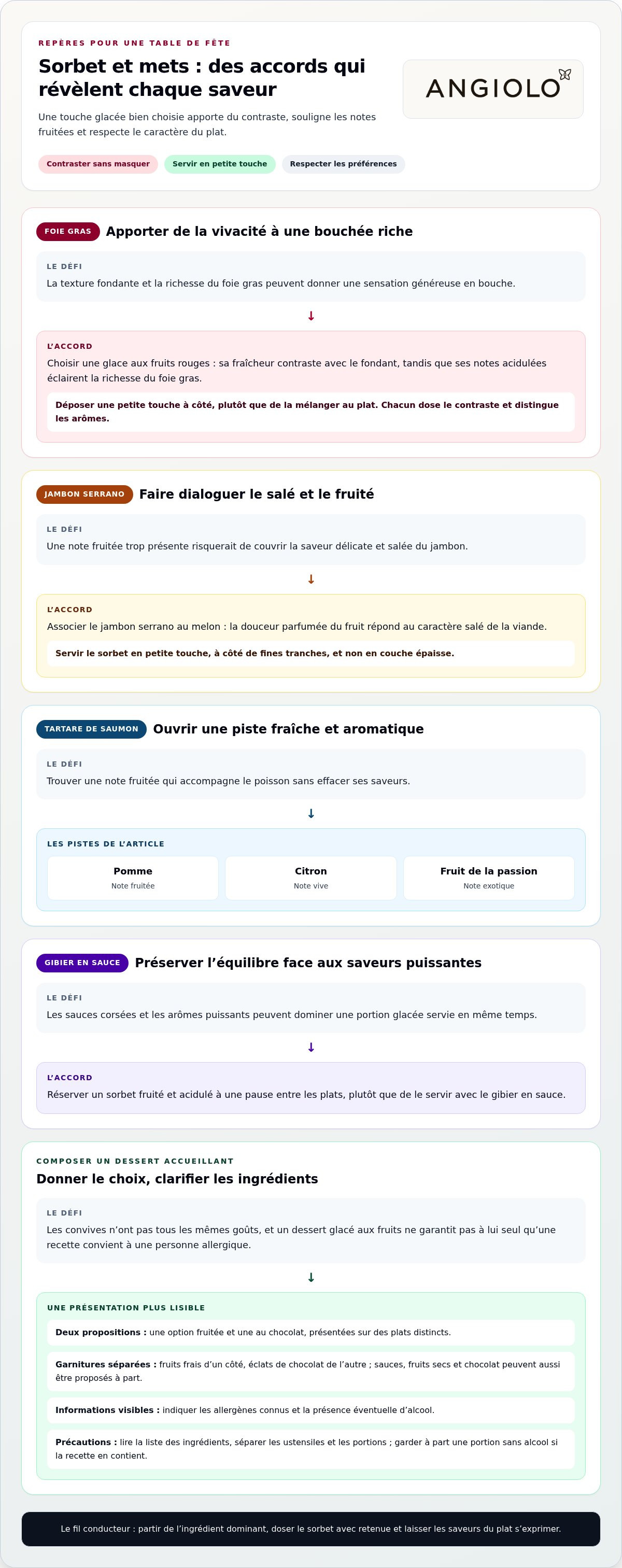
Foie gras, whether terrine or pan-seared, gains definition with red fruit ice cream. Its freshness contrasts with the melting texture of the foie gras, while its tart notes brighten the richness of the bite. For a festive pairing, place a small touch of ice cream next to the foie gras rather than mixing it into the dish. This allows everyone to control the contrast and enjoy the aromas of the foie gras and the fruit separately.
The sweetness of foie gras also calls for wines whose acidity balances the palate. A 100% Petit Manseng Jurançon accompanies this starter: its acidity softens the perception of sweetness and prevents it from feeling too heavy. Serve it with a terrine to highlight its roundness, or with pan-seared foie gras to add a welcome liveliness. Among the classic pairings, a Sancerre or a Premier Cru Chablis can also accompany foie gras.
Champagne offers another option, provided you choose a wine-based, full-bodied, and structured profile. It can accompany foie gras whether terrine or pan-seared, bringing effervescence that lightens the sensation on the palate. For a Christmas table, the Sauternes Lions de Suduiraut 2016 and the Grand Cru Classé Château Rieussec 2010 are also offered with foie gras. These examples illustrate two different expressions: luscious notes on one hand, and a pairing driven by champagne on the other.
With seafood or smoked salmon, opt for a dry, mineral white wine. A Sancerre or Premier Cru Chablis can accompany smoked salmon, while a crisp white allows the saline notes to express themselves without overpowering them. With oysters and shrimp, a brut champagne with fine bubbles brings freshness while respecting their delicacy. Sparkling wine is thus better suited to shellfish than a sweet wine served with foie gras.
For dessert, a Coteaux du Layon can accompany a red fruit bûche de Noël. Sweet wines pair easily with fruity desserts: their aromas complement those of the fruit without erasing its character. To maintain a coherent progression, distinguish the courses: a dry white with seafood, a brut champagne with oysters, then a sweet wine with the bûche. These guidelines create a nuanced menu, from the initial saline notes to the red fruits.
2. Inclusive pairings for festive meals
A welcoming menu offers several ways to enjoy the same flavors. For dessert, plan a fruity option and a chocolate option, then serve the drinks separately. Sparkling wine can accompany fruit or exotic desserts. Offering champagne separately allows everyone to choose their own pairing without imposing alcohol on the whole table.
Chocolate desserts call for a different type of pairing. A Banyuls can accompany chocolate, while a fruit preparation invites fresher notes. Present the two options on separate plates and keep the toppings separate: fresh fruit on one side, chocolate shards on the other. This presentation makes the choice obvious and allows each plate to be adapted to the guests' preferences.
For an inclusive table, also take into account the texture and composition of the recipes. A fruit sorbet can offer an alternative to cream-rich preparations, but that is not enough to guarantee it is suitable for someone with an allergy. The fruits, added ingredients, and preparation utensils also matter. A clear label in front of each dessert helps guests identify what is being offered to them.
What homemade sorbets can be easily prepared for a festive meal? Blend ripe fruit with a little lemon juice, then let the puree freeze while stirring it regularly. A mango or red fruit sorbet, served with a few pieces of fresh fruit, adds a colorful touch without specialized equipment.
What precautions should be taken in case of allergies or for sorbets containing alcohol? Read the list of ingredients, separate the utensils and portions, then clearly indicate known allergens and the possible presence of alcohol. If a recipe contains alcohol, keep a non-alcoholic portion aside.
Finally, give guests a choice between several aromatic intensities. A citrus salad can accompany a vibrant sorbet, while poached pear suits sweeter notes. For a festive touch, present individual portions in small glasses and place the sauces, dried fruits, and chocolate separately. This allows everyone to compose their own dessert without mixing flavors or ingredients to be avoided. A selection of artisanal sorbets for your desserts can also add a fruity finish to the table.
3. Sweet-and-savory pairings with sorbets
Sorbet brings a distinct freshness to dishes that combine salt, fat, and fruit. With Serrano ham, melon forms an obvious pairing: the fragrant sweetness of the fruit answers the savory and delicate character of the meat. Serve the sorbet in a small touch, next to thin slices, rather than in a thick layer. The melon thus accompanies the ham without masking its flavor or turning the starter into dessert.
What sorbet should be served with meat or game? With Serrano ham, choose melon; for game in sauce, rather reserve a fruity and tart sorbet for a break between courses. Rich sauces and powerful aromas could overpower a frozen portion served at the same time.
To create a sweet-and-savory pairing, start with the dominant ingredient. Roasted poultry accompanied by fruit can welcome a fruity note, while grilled meat calls for a livelier and more discreet touch. The right approach: taste the meat alone first, then a spoonful of sorbet. If the fruit persists or covers the spices, reduce the quantity. A separate presentation allows everyone to adjust the intensity.
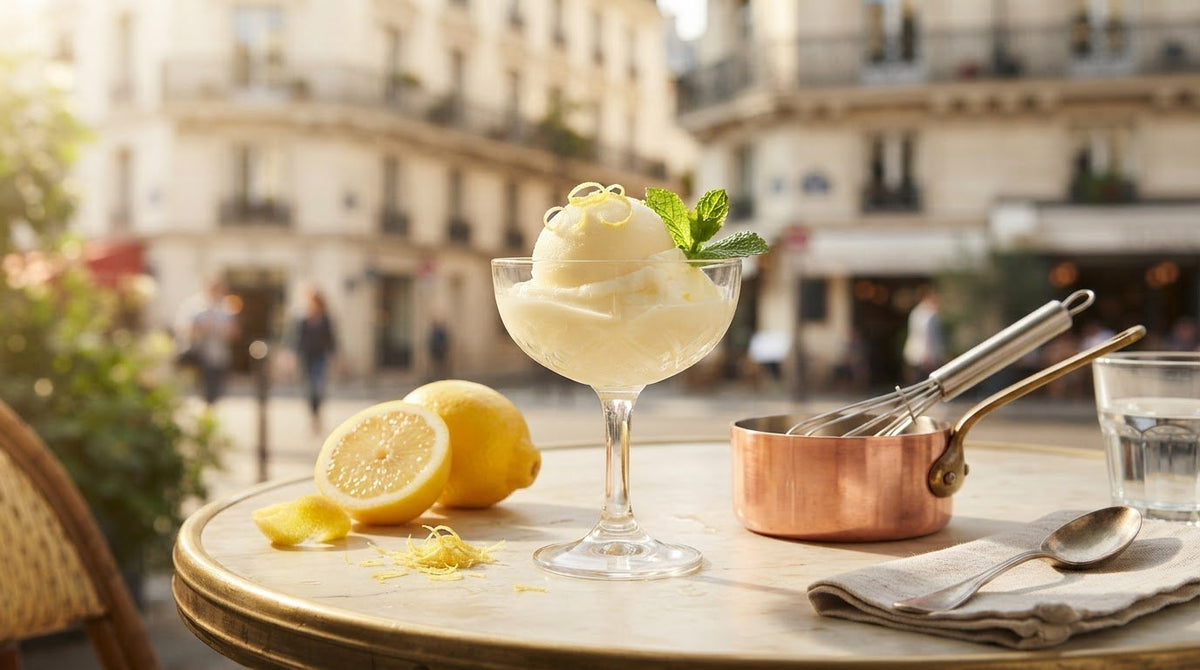
What sorbets should be served between two courses to refresh the palate? A lemon or citrus sorbet, offered alone in a small portion, brings a vibrant sensation and prepares for the next tasting. Avoid sweet accompaniments or aromatic toppings, which could blur this break.
Sorbet can also find its place on the cheese board, provided you choose a precise pairing. A fleur de lait ice cream accompanies a cold vegetable soup or gazpacho: its sweetness balances the recipe and plays on textures. With cheeses, a small portion of fruit sorbet can create an interesting contrast, but keep in mind that about 90% of cheeses pair better with a white wine than with a red wine. A dry white wine can therefore remain the main companion of the board, while the sorbet intervenes as a unique touch.
Vanilla, round and delicate, suits a dessert or a sweet preparation better than a very spicy meat. For a nice contrast, pair it with low-sugar fruits and serve it after the dish, rather than directly with a powerful sauce. On a festive table, distinguish the savory portions from the desserts: this separation makes the flavors more readable and preserves the freshness of each pairing.
4. Tips on sweetness, serving temperature, and aromatic pairing
A successful sorbet should not overpower the dish it accompanies. Taste the dish alone first, then add a small spoonful of sorbet. If the sugar dominates, choose a more tart fruit; if the dish is vibrant, a sweet flavor will round off the whole. This simple method preserves natural aromas and helps create an elegant pairing, without multiplying the scents in the plate.
What sorbet flavors should be chosen according to the season and festive products? In spring and summer, favor seasonal fruits; on a festive table, red fruits bring a vibrant note to fruity desserts. With salmon, apple, lemon, or passion fruit offer different pairings depending on the intensity of the dish.
The sweetness of the drink counts as much as that of the dessert. With a sweet preparation, choose a wine at least as sweet as it: a Banyuls suits a chocolate bûche de Noël, while a Jurançon accompanies a chestnut cream bûche. Conversely, tannic red wines can seem bitter with sugar. Reserve these sweet wines for dessert rather than a very tart sorbet.
Temperature also nuances the tasting. Sweet wines served with a dessert are offered very chilled, between 6 and 8 °C. For the sorbet, take the container out just before serving and present it when it can be scooped without effort. Too firm, it releases its aromas less easily; too soft, it loses its hold and its contrast with the dessert.
To create an aromatic pairing, start with a common element. Red fruits pair with the fruity notes of a bûche; mango and passion fruit extend the exotic flavors of an entremets. With chocolate, favor an accompaniment that brings a contrasting nuance, rather than a very sweet sorbet. At the time of the aperitif, sparkling wine can accompany fruity or exotic desserts, especially when their aromas remain delicate.
Serve the sorbet in a small portion, separately from the dish. This presentation allows you to taste the main product first, then measure the contrast without saturating the palate. For dessert, place the sorbet next to a slice of bûche rather than on top. The textures remain distinct, and everyone can adjust the balance between freshness, sweetness, and aromatic intensity.
5. What sorbets to pair with seafood and fish?
With salmon tartare, apple, lemon, or passion fruit sorbet brings three different nuances. Apple highlights the sweetness of the fish, lemon accentuates the freshness, and passion fruit adds a more expressive exotic note. Present the sorbet separately, in a small touch, so that everyone can taste the tartare alone before composing their pairing. The fish must remain in the foreground.
To choose between these flavors, take into account the seasoning of the tartare. A delicate preparation enhanced by a few herbs pairs with apple. If the tartare is marinated in lemon, a less vibrant fruity note, like passion fruit, avoids too insistent acidity. With a very aromatic topping, prefer a discreet sorbet. Simplicity allows the marine flavors to express themselves better.
With oysters or shrimp, a lemon sorbet can extend the saline notes and refresh the palate. Offer it as an accompaniment, and not directly on the shellfish, so that everyone can adjust the quantity. For a starter composed of several seafood products, limit yourself to a single frozen flavor. Multiplying the aromas could blur the finesse of the products.
Cooked fish requires a different approach from tartare. With a simply roasted fillet, a small touch of apple sorbet brings a fruity contrast without rivaling the flesh. If the dish includes a lemon sauce, choose rather a sweet flavor, like apple, and serve it separately. With a spicy preparation, passion fruit can create a more marked counterpoint. In all cases, the sauce remains the main guide.
Presentation counts as much as the choice of flavor. Place the sorbet in a cold bowl, next to the salmon or seafood, and keep the toppings separate. A slice of lemon and a few fresh herbs can accompany the fish without adding another sauce. The temperature contrast then becomes a thoughtful choice, rather than a surprise that takes over.
For a festive meal, test the pairing by tasting the fish first, then the sorbet alone, and finally the two together. If the fruit erases the marine taste, reduce the portion or choose a sweeter flavor. This method works with salmon tartare as with shrimp. To create a selection adapted to your menu, discover the artisanal sorbets.
To complete these pairings, choose the wine with the same measure as the sorbet. A brut champagne or blanc de blancs is recommended with seafood and fish. The effervescence of brut champagne brings freshness and highlights the saline flavors of seafood. This recommendation suits a seafood plate, while the sorbet remains offered separately. Blanc de blancs constitutes another possibility, without the need to multiply the frozen flavors.
A white Hermitage from the Rhône Valley is offered with fish. It can be chosen when the fish is at the center of the meal; the sorbet portion remains measured and served separately, as in the pairings mentioned here. The choice of wine and that of the sorbet then answer two distinct roles: the first accompanies the dish, while the frozen touch brings the desired fruity contrast. It is enough to choose among these recommendations depending on whether the menu mainly highlights seafood or fish.
Angiolo: Pots of artisanal ice cream and sorbets
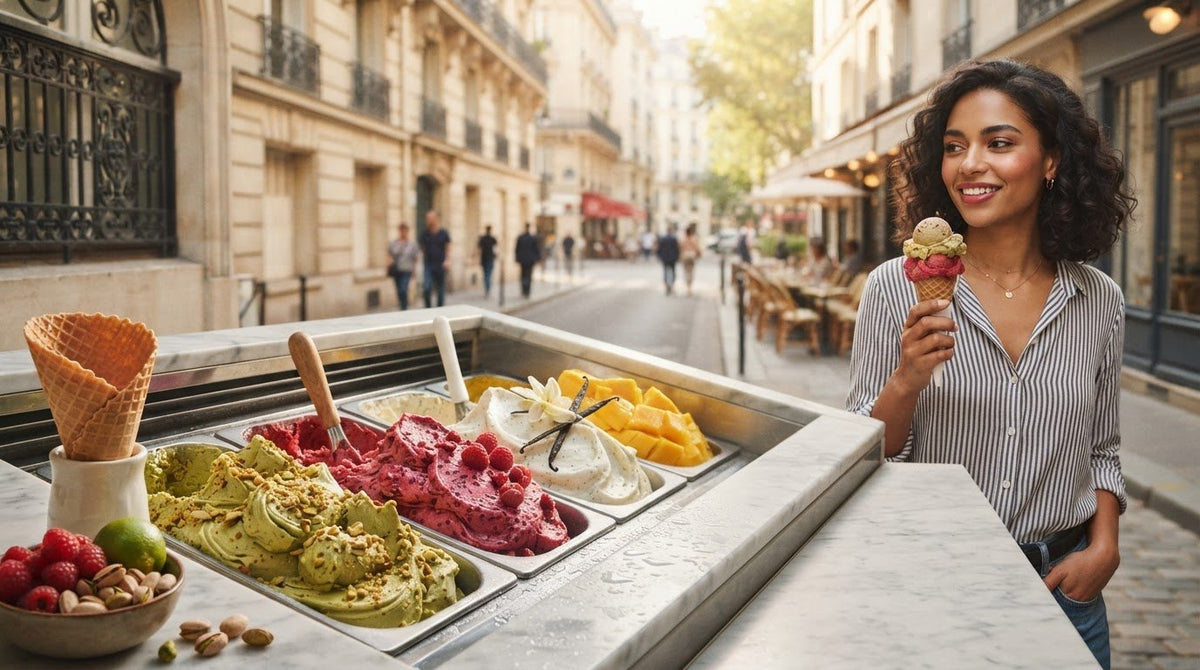
Angiolo offers pots of artisanal ice cream and sorbets for festive meals. To create a table in harmony with your menu, choose flavors whose purity of ingredients and artisanal know-how allow each aroma to express itself. A sorbet brings a fresh touch to a starter, while an ice cream extends the dessert with a creamier note.
In Paris, the entertainment with an ice cream cart gives a unique dimension to the service. Catering service for events and frozen desserts allow you to imagine a reception in accordance with the preferences of your guests and the spirit of your table. To exchange with Angiolo about your reception, visit angiolo.com.
Give a personal signature to your table
For your next reception, choose a flavor that will set the tone for the meal: a vibrant citrus, a delicate fruit, or a rounder note. It can serve as a common thread, without forcing each plate to follow the same register. Composing a food and sorbet pairing for a festive meal is also leaving room for the preferences of your guests and the pace of the tasting.
Think about the place of the sorbet at the table: a discreet contrast, a break between two courses, or a final touch. A minimalist presentation highlights the colors and textures, while a service designed for your reception contributes to its atmosphere. In Paris, every detail can reflect the desired elegance for your event, while preserving the pleasure of sharing.
To exchange about your desires and your reception, contact Angiolo for your pairings. It is up to you to imagine a table that resembles you, with a fresh and memorable signature.
Frequently asked questions about festive sorbets
What sorbets should be served with the different dishes of a festive meal?
Choose the sorbet according to the intensity and preparation of the dish. For a delicate starter, favor a light flavor; for a seasoned dish, a livelier note can create contrast. A food and sorbet pairing for a festive meal gains harmony if the sorbet accompanies the dish without covering the topping or the sauce. Let them taste a small bite before plating the dishes.
What sorbet should be chosen to accompany foie gras?
A red fruit sorbet complements the foie gras: its freshness highlights the richness of this starter. To refine the pairing, take the preparation into account: a terrine calls for a measured fruity touch, while pan-seared foie gras supports a more pronounced contrast. Serve the sorbet in a separate dish and let everyone add it to their tasting, bite after bite.
How to pair sorbets with festive desserts?
Match the sorbet to the character of the dessert: a tart flavor balances a rich pastry, while a fragrant fruit extends a fruity entremets. With a chocolate Yule log, avoid multiplying the sweet toppings, which would blur the aromas. For a more nuanced plate, present the sorbet separately and accompany it with a crunchy element, such as a thin tuile, without multiplying the flavors.
How to serve sorbets during a meal: portions, temperature, and presentation?
Serve the sorbet in a small portion, in a chilled dish, when the guests are ready to taste it. Keep the container chilled until plating, then use a clean spoon to preserve the clarity of the flavor. A simple presentation, with the sorbet next to the dish rather than on top, distinguishes the textures and allows everyone to dose each bite according to their preferences.